Trezor Wallet Final Verdict: Honest Pros, Cons & Top Recommendation 2024
Read our Trezor Wallet Final Verdict 2024: Pros, Cons & Buying Guide. Get honest pros, cons, security insights & top recommendation for crypto. Buy now.

Why Trust Trezor for Crypto Storage in 2024
Wondering if Trezor wallets still hold up in 2024? This Trezor wallet final verdict 2024: pros, cons & buying guide answers that question. Security and ease of use remain key for crypto holders. Trezor has been a market leader for years. It offers cold storage for digital assets. Many users ask if it beats newer competitors. This review examines hardware, software, and real world use.
Choosing a wallet involves tradeoffs between safety and convenience. Trezor focuses on offline storage. It keeps private keys away from internet threats. Using a Trezor device requires a computer or phone. Setup takes about 15 minutes. Beginners can manage it without technical skills. Experienced users value the open source firmware.
Hardware Models Compared
Different models serve different needs. Trezor offers two main devices. The Model One is the budget option. The Model T includes a touchscreen. Both support the same core features. Performance and design vary significantly.
Trezor Model One
Introduced in 2014, this device remains popular. It costs around 60 USD. The screen is small and monochrome. Two physical buttons handle navigation. It supports over 1600 cryptocurrencies. USB connection works with desktop and Android. Security relies on a certified chip. This model lacks a microSD slot for encrypted backups.
Trezor Model T
Released in 2018, the Model T adds a color touchscreen. Price sits near 180 USD. Touch input makes entering passphrases easier. It includes a microSD slot for data backup. Processing power is higher than the Model One. The device works with USB and USB-C adapters. Both models receive firmware updates every few months.
Which Model Fits Your Needs
Casual investors can choose the Model One. Active traders often prefer the Model T. The touchscreen speeds up transaction confirmations. Budget minded users save money with the basic model. Security features are identical across both devices. The main difference is user experience speed.
| Model | Price | Screen | Connection | Key Use Case |
|---|---|---|---|---|
| Trezor Model One | 59 USD | Monochrome OLED | USB | Budget cold storage |
| Trezor Model T | 179 USD | Color touchscreen | USB, USB-C | Advanced usability |
Security Features You Cannot Ignore
Security defines the Trezor brand. The device stores private keys offline. Physical access is required to sign transactions. Firmware is open source and audited. Trezor advanced security includes optional passphrases. These create hidden wallets within the device. Lost passphrases mean lost funds. No one can recover them.
Seed Phrase Protection
During first setup, the device generates a recovery seed. This is 12 or 24 words. Write it on the provided card. Keep it in a safe place. Never type it into any computer. The seed can restore your wallet on a new device. Trezor supports BIP39 standard for seed generation.
PIN and Passphrase Options
Setting a PIN prevents unauthorized physical use. The PIN entry uses a scrambled layout. This defeats keyloggers. Passphrases add another layer. They protect against physical attacks. Combining PIN and passphrase offers strong defense. Trezor setup guide explains both steps in detail.
Setup Process Made Simple
Getting started takes under 20 minutes. Connect the device to your computer via USB. Visit the official Trezor website. Download and install Trezor Suite. This desktop app manages your wallet. Follow on screen prompts for secure setup.
- Plug in the Trezor device using the included cable.
- Navigate to trezor.io/start on your browser.
- Install Trezor Suite for your operating system.
- Create a new wallet or recover an existing one.
- Write down the recovery seed on paper.
- Set a strong PIN between 4 and 9 digits.
- Confirm your device is genuine by checking the hologram.
Trezor Suite is also available as a mobile app. Trezor iOS support allows management on the go. Use the camera to scan receive addresses. Transactions require physical button approval. This prevents remote theft.
Supported Cryptocurrencies and Compatibility
Not all coins work with Trezor. The device supports major assets. Bitcoin, Ethereum, and Litecoin are native. ERC20 tokens also work through Ethereum integration. Over 1600 coins and tokens are listed. Trezor supported coins include newer networks like Solana and Polygon. Check the official list before purchase.
Desktop and Browser Compatibility
Windows, macOS, and Linux all work. Chrome and Firefox browsers connect via WebUSB. Trezor Suite serves as the main interface. trezor - trezor integration ensures smooth navigation. Third party wallets like Electrum also connect. This expands functionality beyond native apps.
Mobile and Third Party Apps
Android phones connect via USB OTG cable. iOS users rely on the Trezor Suite app. Trezor compatibility extends to Exodus and Mycelium. These apps allow trading without exposing private keys. Always verify app authenticity before connecting.
User Experience and Daily Usage
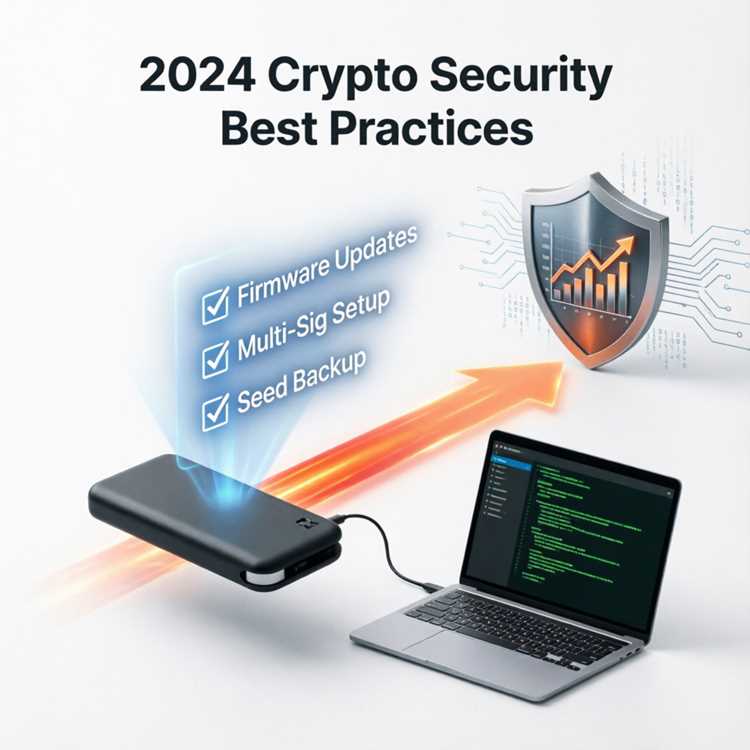
Daily operations are straightforward. Receiving funds shows a QR code on screen. Sending requires physical confirmation. Transactions appear in Trezor Suite instantly. The interface shows balances for each asset. Exchange features are built into the app.
Transaction Speed and Fees
Signing a transaction takes about 5 seconds. The device handles signing locally. Network fees depend on the blockchain. Trezor Suite suggests fee levels. Low, medium, and high options are available. Users can set custom fees for urgent transfers.
Portability and Design
The Model One is small and lightweight. It fits on a keychain. The Model T is larger due to the touchscreen. Both devices feel durable. USB plugs are reinforced. Carrying cases are sold separately. trezor wallet accessories include protective sleeves at 10 to 15 USD.
Pricing and Value Breakdown
Cost is a major factor. The Model One offers core security at a low price. The Model T costs three times more. Both include the same seed generation. Trezor value depends on your portfolio size. Buying a hardware wallet is cheaper than losing coins.
| Accessory | Price | Compatibility | Use Case |
|---|---|---|---|
| Silicone case | 10 USD | Model One, T | Physical protection |
| USB OTG cable | 8 USD | Android phones | Mobile connection |
| Steel backup plate | 25 USD | All models | Fireproof seed storage |
| Recovery seed card | Free | All models | Seed backup |
Pros and Cons Summary
Every product has strengths and weaknesses. This trezor pros and cons list helps decision making. Positive points include open source code and strong security. Cons involve limited iOS features and older hardware design.
- Pros: Open source firmware, strong security track record, supports many coins, easy setup process, active community support.
- Cons: Model One lacks touchscreen, iOS support is limited, no Bluetooth connectivity, older chip on Model One, higher price than some rivals.
This trezor final review considers real user feedback. Many appreciate the reliability. Some want better mobile support. The device has no battery. It draws power from USB. This means no wireless operation.
Final Thoughts and Recommendation
Making the right choice depends on your needs. This trezor recommendation applies to most users. Beginners should start with the Model One. Advanced users benefit from the Model T touchscreen. Security conscious buyers trust the open source code. The trezor verdict 2024 confirms its place as a top cold wallet.
Buy directly from the official store. Avoid second hand devices. Verify packaging seals upon delivery. Use the device wizard to confirm authenticity. Setup with a new seed phrase is safest. Write down the seed offline. Store it in a fireproof safe. Never photograph or scan the seed.
For active traders, pairing Trezor with a hot wallet adds flexibility. Use Trezor Suite for large holdings. Keep small amounts in exchange wallets for trading. This strategy balances security with convenience. Regular firmware updates improve features. Check for updates every few months.
Frequently Asked Questions
Is Trezor better than Ledger?
Both have strong security. Trezor uses open source code. Ledger uses a closed chip. Trezor is easier to verify. Ledger offers more coins in some cases.
Can Trezor be hacked?
No successful remote hacks exist. Physical access could allow attacks. PIN and passphrase prevent this. Keep your device physically safe.
Does Trezor support NFTs?
Yes, through Ethereum and Polygon. View NFTs in Trezor Suite. Sending requires transaction confirmation. Storage is limited to display images.
What happens if Trezor breaks?
Your coins are not on the device. They are on the blockchain. Use your recovery seed on a new Trezor. The seed restores all wallets.
Do I need internet to use Trezor?
The device itself works offline. Trezor Suite needs internet for blockchain data. Transactions are signed offline and broadcast via the app.