Trezor Hardware Wallet Review 2025: Secure Your Crypto Today
Read our in-depth Trezor review. Discover security features, compare models, and find the best place to buy your hardware wallet. Secure your crypto now!
Why Your Crypto Needs More Than a Software Wallet
Software wallets live on phones or computers. They connect to the internet daily. Hackers target these devices constantly. One wrong click can drain your funds. Hardware wallets keep keys offline. They block online attacks. Trezor pioneered this cold storage method. Since 2014, millions trust it for safe coin storage.
The Risks of Hot Wallets
Hot wallets offer convenience. You send coins in seconds. But they stay connected to the internet. Malware, phishing, and exchange hacks steal billions each year. Private keys stored online are always at risk. Trezor eliminates that weak spot entirely.
How Cold Storage Protects Your Assets
Cold storage means keys never touch a network. Trezor signs transactions inside the device. The computer only sees the signed data. Your private keys remain hidden. No internet connection means no remote theft. This is the gold standard for long term holding.
The Trezor Review: Ultimate Hardware Wallet Guide 2025 – Models and Specs
Trezor offers two current models: Trezor Safe 3 and Trezor Model T. Both support hundreds of coins. Both use secure element chips. Choosing between them depends on screen type and budget. Here is a quick breakdown of each model.
Trezor Safe 3: The Budget Choice
Trezor Safe 3 costs $79. It has a small monochrome screen. Buttons are tactile. It supports over 1,000 assets. The secure element matches bank grade security. It works well for beginners or small portfolios.
Trezor Model T: Advanced Features
Model T costs $219. It includes a color touchscreen. You enter PINs directly on the screen. It offers Shamir backup for extra safety. Larger portfolios benefit from the bigger display and faster navigation.
Setting Up Your Trezor Wallet Step by Step
Unboxing your Trezor should be simple. Follow these steps to get started quickly. Always verify the device is genuine before connecting.
- Go to trezor.io/start on a secure computer.
- Download and install Trezor Suite software.
- Connect your Trezor using the USB cable.
- Let Trezor Suite check that the device is authentic.
- Choose a PIN between 4 and 9 digits.
- Write down your 12 or 24 word recovery seed on paper.
- Store the seed in a safe place offline.
- Start using your trezor wallet to receive coins.
After setup, update the firmware to the latest version. Always keep your seed phrase private. Never type it on a computer or phone.
Key Features That Make Trezor Stand Out
Trezor focuses on transparency and open source code. Anyone can inspect the software for flaws. This builds trust over closed systems. Below are the standout features.
- Open source firmware – community audited for backdoors.
- Support for over 1,800 coins and tokens including Bitcoin, Ethereum, and ERC20s.
- Passphrase feature creates a hidden wallet for extra privacy.
- Shamir backup splits your seed into multiple shares.
- Touchscreen on Model T makes navigation intuitive.
- Integration with third party services like buying and swapping coins.
Using a Trezor firmware update adds new features and security patches. Always install updates as they become available.
Security Architecture and How It Works
Trezor uses a secure element chip on Safe 3 and Model T. This chip stores the PIN and protects against physical tampering. The firmware runs on a separate processor. Even if one chip fails, the other keeps your keys safe.
Seed Phrase Generation
The device generates a 12 or 24 word seed phrase using a random number generator. This phrase can restore your entire wallet. Write it down and store it in a fireproof safe. Never store it digitally.
Passphrase and Hidden Wallets
Adding a passphrase creates a new wallet from the same seed. Anyone without the passphrase cannot access those funds. This is ideal for dual purpose use or extra protection. Learn more about the Trezor hidden wallet feature.
Coin and Altcoin Support in 2025
Trezor supports Bitcoin, Ethereum, Litecoin, and thousands of altcoins. The list grows with each firmware update. Check the official site for the full list. New coins like Solana and Polygon are now supported.
For a detailed breakdown of supported assets, refer to the Trezor altcoin support page. It covers ERC20 tokens, BEP20 tokens, and native coins.
Multi Chain Management
Manage Bitcoin, Ethereum, and ERC20s inside Trezor Suite. The app shows balances across all chains in one view. No need for multiple wallets.
Trezor Accessories and Pricing Table
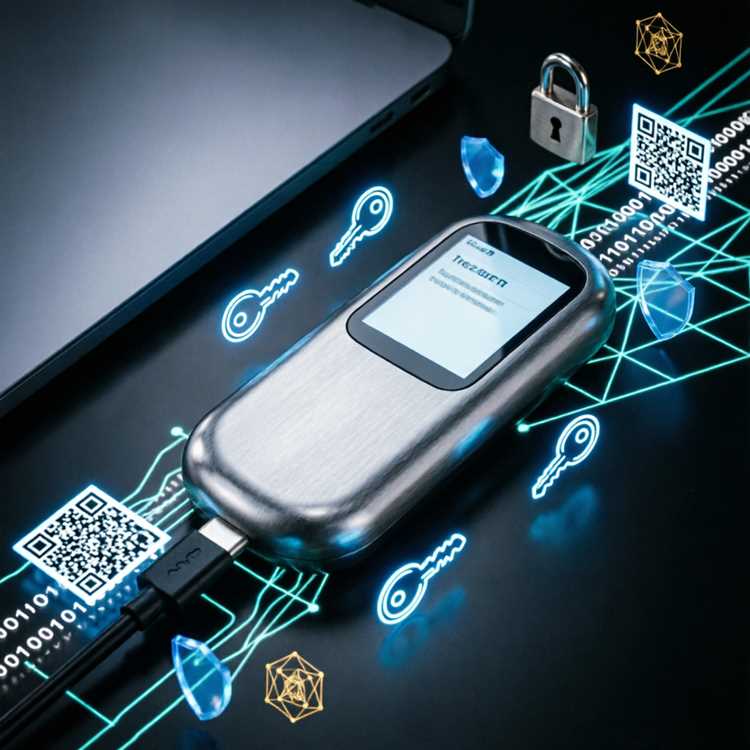
Buying a Trezor often requires additional accessories. Here is a table with prices and use cases.
| Accessory | Price | Compatibility | Use Case |
|---|---|---|---|
| Trezor Safe 3 | $79 | USB C, Windows, Mac, Linux | Budget cold storage, smaller portfolios |
| Trezor Model T | $219 | USB C, touchscreen, all OS | Advanced users, large holdings, Shamir backup |
| Stainless Steel Seed Plate | $39 | Works with any seed phrase | Fireproof and waterproof seed storage |
| USB Cable (spare) | $9 | Standard USB C to USB A | Replacement cable for travel |
| Trezor Keep Strap | $15 | Fits Safe 3 and Model T | Carry device on keys or bag |
Check current Trezor price on the official store. Prices may vary by region.
Comparing Trezor with Competitors: Ledger and Others
Many users compare Trezor with Ledger. Trezor uses fully open source code. Ledger uses a closed source secure element. Trezor supports more coins natively. Ledger has Bluetooth on some models. Which is better depends on your priorities.
If software transparency matters most, Trezor wins. If you need wireless connectivity, Ledger Nano X offers Bluetooth. Both are solid choices. You can read more in our Trezor verdict 2024 and also check our buy Trezor.Trezor vs Ledger comparison page.
Customer Support Experience
Trezor support responds within 24 hours on weekdays. They offer live chat and email. Many users report helpful answers. Replacement for lost devices requires the seed phrase. Read our Trezor support review for real user experiences.
Frequently Asked Questions About Trezor
Below are common questions from new users. Answers are short and factual.
Can Trezor be hacked?
No remote hack has ever succeeded. Physical access would require the PIN and seed phrase. Trezor's open code allows constant auditing.
Can I use Trezor with my phone?
Yes. Trezor Suite mobile app works with Android and iOS. Connect via USB OTG cable. No Bluetooth is needed.
What happens if Trezor breaks?
Use your seed phrase to restore funds on any compatible wallet. The device itself is replaceable. The coins are not stored on the hardware.
How many coins does Trezor support?
Over 1,800 coins and tokens. Major blockchains like Bitcoin, Ethereum, Litecoin, and many ERC20 tokens are included.
Is Trezor better than Ledger?
Both are secure. Trezor is fully open source. Ledger has Bluetooth. Choose based on your need for transparency versus wireless convenience.