Trezor App Review: Secure Your Crypto with Hardware Wallet
Learn about the Trezor app for secure crypto storage. Our hardware wallet review covers features, security benefits, and buying tips. Protect your wallet today!

Securing digital assets begins with a personal choice. Many users ask, “Which tool keeps my crypto safe from online threats?” This Trezor app review: Secure Your Crypto with Hardware Wallet answers that question. It explores the official companion software for Trezor devices. Understanding the app helps you protect your investments. Using a hardware wallet adds a physical layer of security. The combination of hardware and software creates a powerful defense. Let us examine the features and setup process. This analysis covers everything from installation to advanced options.
Does the Trezor App Really Keep Your Coins Safe?
Hardware wallets store private keys offline. The Trezor app connects your device to your computer. It never exposes your keys to the internet. Every transaction is signed inside the hardware. Malware cannot steal your funds from a distance. The app acts as a bridge, not a storage vault. Your security depends on keeping the device safe. Losing the device is not a problem if you have the recovery seed. The app guides you through backup steps. This approach provides peace of mind for long-term holders.
Why Offline Key Storage Matters
Online wallets are vulnerable to hacks. Exchanges get breached regularly. A hardware wallet keeps keys away from the network. The Trezor app verifies the transaction on a screen. You confirm actions with a physical button press. This process prevents remote attackers from draining your wallet. Cold storage is the gold standard for safety. Even if your computer is infected, your coins remain untouched.
Comparing Hot Wallets to Cold Storage
Hot wallets are convenient for daily use. They connect to the internet constantly. Cold storage, like the Trezor device, stays offline. The app bridges the gap between convenience and safety. You can still check balances and receive funds. Sending requires physical confirmation. This balance works well for most users. Frequent traders might prefer a hot wallet for small amounts. Large holdings belong in cold storage.
Setting Up the Trezor App: A Step-by-Step Guide
Getting started with the Trezor app is straightforward. You need the device, a USB cable, and a computer. Download the official app from the Trezor website. Avoid third-party sources to prevent malware. Installation takes only a few minutes. Follow the on-screen prompts to initialize your device. The process creates a new wallet or recovers an existing one. Write down the recovery seed on paper. Never store it digitally. This step ensures you can restore your funds later.
- Connect the device to your computer using the provided cable.
- Visit the official site and download the Trezor Bridge app.
- Install the software and restart your browser if needed.
- Open the app and follow the setup wizard.
- Create a new wallet or choose to recover an existing one.
- Write down the 12 or 24 words on the provided card.
- Confirm the seed by selecting the words in order.
- Set a PIN code for daily access to the device.
Each step is clearly explained in the app. The entire process takes about 15 minutes. New users should take their time. Mistakes during setup can lead to lost funds. Double-check every word on the recovery card.
Choosing the Right Trezor Model for Your Needs
Several models are available on the market. The Trezor One is the entry-level option. It supports all major cryptocurrencies. The Trezor Model T adds a touch screen. It also supports more coins and advanced features. The Trezor Safe 3 offers enhanced security features. Consider your budget and coin requirements. Beginners often start with the Trezor One. Power users prefer the larger screen and extra functions of the Model T. A detailed Trezor versus Ledger comparison can help you decide.
Installing the Bridge Software on Different Operating Systems

Windows, macOS, and Linux are all supported. The Bridge app handles communication between the device and your browser. Installation differs slightly for each system. On Windows, run the installer file directly. On macOS, drag the app to your Applications folder. Linux users may need to set up udev rules. The Trezor website provides clear instructions for each OS. If you encounter issues, consult the support page. The Trezor warranty covers hardware defects, not software problems.
Key Features of the Trezor App Interface
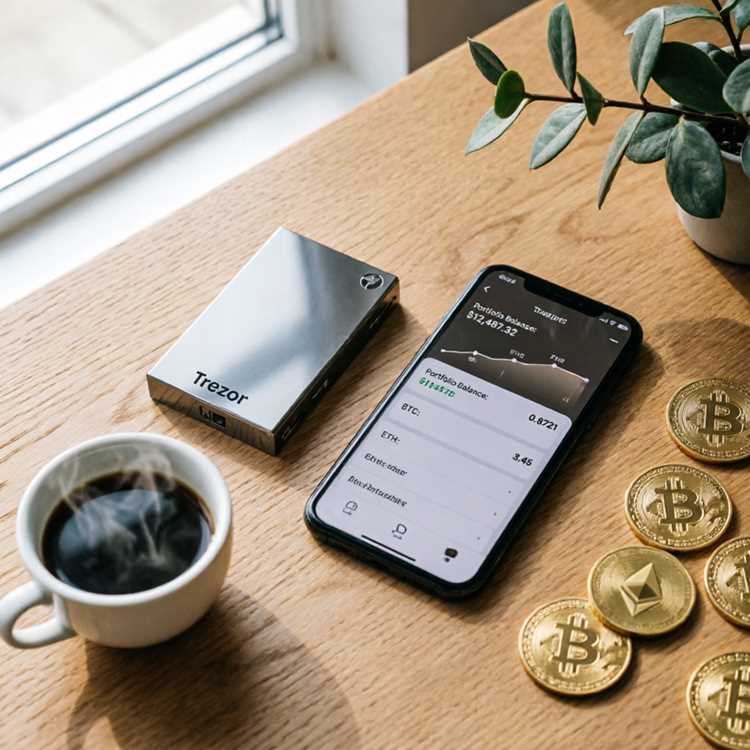
The app interface is clean and intuitive. A dashboard shows your total portfolio value. Each asset is listed with its current balance. Transactions appear in a chronological feed. You can send and receive coins with a few clicks. The app supports multiple accounts for different blockchains. You can also manage your Bitcoin, Ethereum, and altcoins in one place. Custom labels help you organize your holdings. The design focuses on clarity and simplicity.
- Portfolio overview displays total value in your chosen fiat currency.
- Asset list shows individual coin balances and prices.
- Transaction history includes send, receive, and exchange records.
- Account management lets you create separate wallets for different purposes.
- Exchange integration allows swapping coins within the app.
- Device settings let you change PIN, label, and display options.
Each feature is designed to reduce complexity. Beginners can navigate without confusion. Advanced users appreciate the granular control. The app updates regularly to add new coins and functions. Following a trezor - trezor guide helps you stay current with updates.
Managing Multiple Cryptocurrencies from One Dashboard
Supporting over 1800 coins and tokens is a big advantage. The app lists all supported assets in a searchable menu. Adding a new coin takes one click. Balances update automatically. You can hide assets you do not use. Sorting by value or name helps you find coins quickly. The dashboard integrates with third-party explorers for transaction details. This feature saves time and reduces the need for multiple wallets.
Using the Exchange Feature for Swaps
Built-in exchange partners allow you to swap coins. You do not need to send funds to an external exchange. The app calculates the rate before you confirm. Fees are transparent and shown upfront. Supported pairs include Bitcoin, Ethereum, and many altcoins. The swap is processed on the blockchain. You receive the new coins directly in your wallet. This feature is useful for rebalancing your portfolio.
Security Beyond the Basics: Passphrase and PIN Protection
Basic security comes from the PIN code. Advanced users can add a passphrase. This feature creates a hidden wallet. Without the passphrase, the wallet is invisible. Even someone with your device and PIN cannot access it. The Trezor advanced security options include this feature. Setting up a passphrase adds an extra layer of protection. Remember that losing the passphrase means losing access forever. Store it separately from your recovery seed.
How a Passphrase Creates a Hidden Wallet
A passphrase is a word or phrase you choose. It is not stored on the device. Entering a different passphrase creates a completely new wallet. You can have multiple passphrases for different purposes. One for daily use, one for savings. This feature is excellent for privacy. Even if someone forces you to open your main wallet, the hidden one stays safe. Use a strong, unique passphrase that you can remember.
Understanding the Difference Between PIN and Passphrase
The PIN protects the device from physical access. It is entered on the device itself. The passphrase protects the wallet data. It is entered on the computer screen. Both are required for maximum security. The PIN is short and easy to remember. The passphrase can be long and complex. Consider using a password manager to store the passphrase securely. Never write it on the same paper as your recovery seed.
Backing Up and Restoring Your Trezor Wallet
The recovery seed is the most important backup. It is a list of 12 or 24 words. Write them down on the card provided with the device. Keep the card in a safe place, like a safe deposit box. Do not take a photo of the words. Do not store them in a cloud service. The app prompts you to confirm the seed during setup. If your device is lost or damaged, you can restore the wallet on a new device. This process works with any Trezor model or compatible hardware.
- Locate your recovery seed card and ensure it is legible.
- Connect the new device to your computer and open the app.
- Select "Recover wallet" from the initial setup menu.
- Enter the words one by one using the device's interface.
- Confirm the PIN and set a new one if desired.
- Check that all balances appear correctly.
Restoring takes longer than initial setup. The process is secure and reliable. Test your recovery by restoring to a spare device. This practice ensures you can access your funds in an emergency. The Trezor Exodus integration also supports seed recovery for additional flexibility.
Best Practices for Storing Your Recovery Seed
Use fireproof and waterproof materials. Steel plates or capsules are popular choices. Avoid storing the seed in a bank safe deposit box without considering access hours. Split the seed into multiple parts for added security. Use a passphrase to protect the seed further. Never share your seed with anyone. Scammers often ask for seed phrases. Legitimate support will never ask for your seed.
Integrating Trezor with DeFi and Staking Platforms
DeFi is a growing part of the crypto ecosystem. The Trezor app allows you to interact with some DeFi protocols. You can stake certain coins directly from the interface. This process earns you passive income. Supported assets include Ethereum, Tezos, and others. The app connects to external platforms securely. Your private keys never leave the device. This setup keeps your funds safe while earning rewards. Exploring Trezor DeFi options expands your earning potential.
Staking Supported Coins from the App
Staking is a simple way to earn rewards. The app shows available staking options for each coin. You choose the amount and confirm the transaction. Rewards are distributed automatically. The process is non-custodial, meaning you control the funds. Staking locks your coins for a period. Check the terms before committing. Withdrawing early may result in penalties. The app provides clear information about lock periods and reward rates.
Connecting to External DeFi Wallets
Some DeFi platforms require a browser extension. The Trezor app can connect to MetaMask or similar wallets. This connection allows you to approve transactions with your hardware device. Always verify the website address before connecting. Phishing sites try to steal your credentials. Use the app to check the transaction details before signing. This method keeps your funds safe while using DeFi services.
Exploring Asset Management and Portfolio Tools
The app provides tools to manage your portfolio. You can view your holdings in different currencies. The price chart shows historical performance. You can export transaction data for tax purposes. The app labels each transaction with a date and amount. This data is helpful for accounting. You can also create custom labels for addresses. Organizing your portfolio reduces stress and saves time. The app updates prices every few seconds.
- Fiat conversion shows values in USD, EUR, GBP, and more.
- Price charts display 1 day, 1 week, 1 month, and 1 year views.
- CSV export generates a report of all transactions.
- Custom labels help you identify the purpose of each address.
- Multi-account support separates personal and business funds.
Each tool is designed to simplify your crypto life. Using these features helps you stay organized. A well-managed portfolio is easier to track and secure. Consider the best budget hardware wallet options for additional cost-effective solutions.
Tracking Your Portfolio Performance Over Time
Monitoring your investments is essential. The app shows your total return over time. You can see the percentage change for each asset. This data helps you make informed decisions. Do not make impulsive trades based on short-term price movements. The app provides a clear picture of your long-term performance. Use this information to rebalance your portfolio periodically.
Advantages and Limitations of the Trezor App
Every tool has strengths and weaknesses. The Trezor app excels in security and ease of use. It supports a wide range of coins. The interface is beginner-friendly. The hardware is durable and reliable. Limitations include the need for a physical device. You cannot use the app without the hardware. The app does not support all tokens. Some niche coins are missing. The exchange feature has limited pairs compared to major exchanges. Overall, the app is a strong choice for security-focused users.
What Users Love About the App
Security is the top reason for choosing Trezor. The app is simple and works with all major operating systems. The recovery process is straightforward. Customer support is responsive and helpful. The community is active and provides guides. Regular updates keep the app compatible with new blockchains. The device itself is compact and portable. Users appreciate the peace of mind that comes with cold storage.
Common Drawbacks to Consider
Initial setup requires a computer. Mobile users need a separate app. The Trezor Suite app is available for Android and iOS. It supports limited functionality compared to the desktop version. The screen on the Trezor One is small and monochrome. The Model T solves this with a color touch screen. Price is a consideration for budget-conscious users. However, the investment is worth it for the security it provides.
Comparing Trezor with Other Hardware Wallets
Several brands compete in the hardware wallet market. Ledger is the most popular alternative. A direct Trezor versus Ledger comparison reveals key differences. Trezor uses open-source software. Ledger uses a secure element but closed-source firmware. Both offer strong security. Trezor supports more coins natively. Ledger has a larger ecosystem of apps. The choice often comes down to personal preference. Test both if possible before deciding.
| Accessory | Price (USD) | Compatibility | Use Case |
|---|---|---|---|
| Recovery seed card | Free (included) | All models | Storing backup words |
| Steel plate | $20 - $50 | All models | Fireproof seed storage |
| USB cable | $10 - $15 | All models | Connecting to computer |
| Leather case | $30 - $60 | Trezor One and Model T | Protecting the device |
| Keychain holder | $15 - $25 | Trezor One | Portable carrying |
| Ledger Nano X dock | $25 - $40 | Ledger devices | Charging and display |
Choosing the right accessories enhances your experience. Invest in a steel plate for long-term storage. A protective case prevents physical damage. The recovery seed card is essential for every user. Budget for these items when planning your purchase.
Frequently Asked Questions About the Trezor App
Below are common questions answered concisely.
Can I use the Trezor app without the device? No, the hardware device is required for all operations.
Does the app support Bitcoin and Ethereum? Yes, both are supported along with many altcoins.
Is the app free to download? Yes, the software is free. You only pay for the hardware device.
Can I recover my wallet if I lose the device? Yes, using the 12 or 24-word recovery seed.
Is the app compatible with macOS Monterey? Yes, it works with the latest versions of all major operating systems.
Does the app support staking? It supports staking for select coins like Tezos and Ethereum.
Can I connect the app to MetaMask? Yes, you can use Trezor with MetaMask for DeFi interactions.
How often does the app update? Updates are released regularly to add new features and coin support.
Is the app safe from phishing? The app verifies website addresses and transaction details on the device screen.
What happens if I forget my PIN? You can reset the device using the recovery seed.