Complete Guide to Trezor Supported Coins and Altcoin Support
Discover the full list of cryptocurrencies supported by Trezor, including top coins, altcoins, and ERC-20 tokens. Find your assets and buy your hardware wallet today.
Why Asset Support Dictates Your Wallet Choice
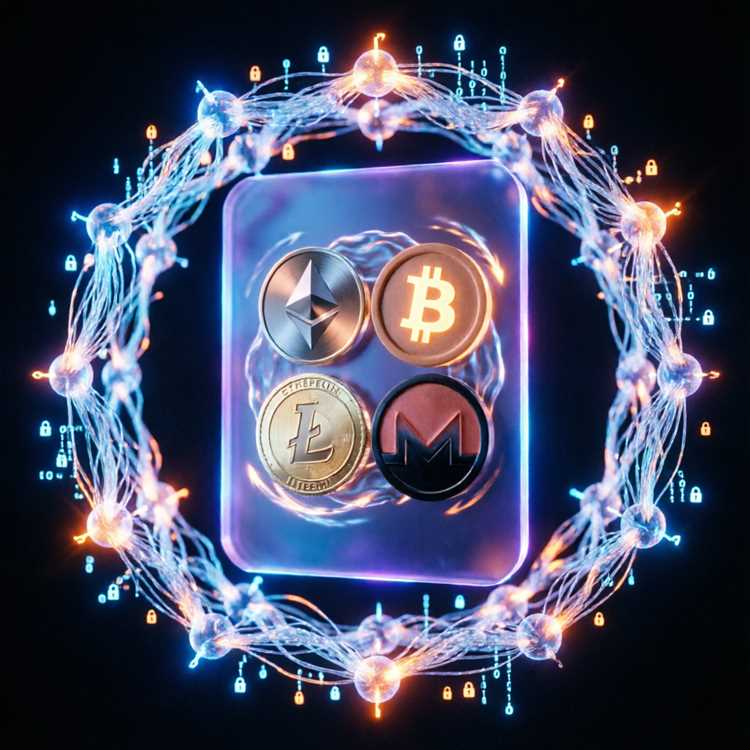
Selecting a hardware wallet means matching your portfolio. A comprehensive list of cryptocurrencies supported by Trezor shows exactly which coins remain under your control. Without this information, you risk buying a device that cannot store your assets. Knowing the list ahead of time saves frustration and extra costs.
Every cryptocurrency investor holds a mix of coins. Some own Bitcoin and Ethereum. Others explore smaller altcoins. Trezor supports a wide range of assets, but the list changes over time. Firmware updates add new coins and remove outdated ones. Checking the official compatibility chart ensures your coins are safe.
Bitcoin and Its Forks: The Core of Trezor Support
Bitcoin remains the foundation of any hardware wallet. Trezor supported coins include Bitcoin (BTC), Bitcoin Cash (BCH), and Bitcoin Gold (BTG). These forks share the same origin but require separate handling. Trezor isolates each fork to prevent confusion during transactions.
Bitcoin Cash on Trezor
Bitcoin Cash operates as a separate blockchain. Trezor stores BCH in a dedicated account. Users can send and receive BCH using the trezor wallet interface. The device signs transactions offline, keeping your private keys away from internet threats.
Bitcoin Gold Support
Bitcoin Gold uses a different mining algorithm. Trezor recognizes BTG as an independent asset. You can manage BTG alongside BTC without mixing balances. The Trezor HODL feature helps store these forks for long periods.
Litecoin and Other Bitcoin-Like Coins
Litecoin (LTC) shares Bitcoin's codebase but with faster block times. Trezor supports LTC and several other Scrypt-based coins. This compatibility lets you diversify within the same wallet ecosystem. Using the trezor app, you can switch between accounts instantly.
Ethereum and ERC-20 Tokens: Expanding Possibilities
Ethereum's ecosystem holds thousands of tokens. Trezor ERC-20 tokens receive full support through the Ethereum account. The device stores ETH and any ERC-20 token you add manually. This flexibility attracts investors who participate in ICOs or DeFi projects.
Native ETH Storage
Ethereum itself is a core asset on Trezor. Managing ETH through the device gives you cold storage for your main holdings. Transactions require physical confirmation, which blocks remote hackers. Clearing your browser cache after each use adds another layer of protection.
Adding ERC-20 Tokens
You can add custom tokens by entering the contract address. Trezor validates the token details before enabling transfers. Popular ERC-20 tokens like USDC, UNI, and LINK work without issues. The Trezor beginner tips page explains how to avoid common mistakes during token addition.
Altcoins on Trezor: A Deeper Look at Popular Networks
Beyond Bitcoin and Ethereum, many altcoins find a home on Trezor. Trezor altcoin support covers networks like Cardano (ADA), Polkadot (DOT), and Solana (SOL). Each coin requires its own app or integration. Checking the compatibility list before purchasing prevents surprises.
Cardano and ADA Staking
Cardano uses a proof-of-stake model. Trezor allows ADA storage and staking through third-party wallets like Daedalus or Yoroi. Your ADA remains offline during the staking process. This setup earns rewards without exposing your keys.
Polkadot and Parachain Tokens
Polkadot connects multiple blockchains. Trezor stores DOT and supports governance voting. You can participate in parachain auctions using the device. The Trezor ease of use review highlights how these interactions feel on the device.
Solana and SPL Tokens
Solana offers high-speed transactions. Trezor integrates with Solana through the Phantom wallet. SPL tokens follow the same storage method as ERC-20 tokens. Combining a Trezor with a browser extension keeps your keys safe while using dApps.
Stablecoins and Privacy Coins: What Trezor Holds
Stablecoins maintain price stability. Privacy coins focus on transaction anonymity. Trezor supports both categories. Cryptocurrencies on Trezor include USDC, USDT (ERC-20), and DAI. Privacy coins like Monero (XMR) and Zcash (ZEC) also appear on the list. Each type serves a different purpose in your portfolio.
Monero Support and Limitations
Monero uses ring signatures to hide sender and receiver. Trezor Model T supports XMR natively. The older Model One does not. If you hold Monero, choose the Model T. The Trezor firmware update process ensures you have the latest Monero improvements.
Zcash Shielded Transactions
Zcash offers transparent and shielded addresses. Trezor handles both types. Shielded transactions require a more complex setup. Using the device, you can generate z-addresses and send private payments. The Trezor backup seed feature protects these private keys.
How to Check Your Supported Assets on Trezor
Verifying coin compatibility takes only a few minutes. Follow these steps to see the full list for your device.
- Open the Trezor Suite app on your computer or Trezor iOS device.
- Connect your Trezor and unlock it with your PIN.
- Navigate to the "Assets" tab in the sidebar.
- Scroll through the list of supported coins and tokens.
- Click "Add" for any asset you want to manage.
This process shows both native coins and custom tokens. The app updates automatically when new coins become available. Checking monthly ensures you never miss a new addition.
Adding Custom Tokens and ERC-20 Management
Not every token appears in the default list. You can add custom tokens manually. This method works for most ERC-20 and BEP-20 tokens. Use the steps below to add a token that is not preloaded.
- Go to the "Assets" tab in Trezor Suite.
- Click "Add custom token" at the bottom of the list.
- Enter the contract address from a trusted source like Etherscan.
- Confirm the token symbol and decimals match your expectations.
- Click "Add" and wait for the token to appear in your portfolio.
Always verify the contract address before adding. Fake tokens can drain your wallet. Using Trezor beginner tips helps avoid these scams.
Comparing Trezor Models: Coin Compatibility Differences
Trezor sells two main models: Model One and Model T. Their coin support differs slightly. Below is a comparison of their native asset lists.
- Model One – Supports over 1,000 coins and tokens. No Monero support. No on-device keyboard for passphrases.
- Model T – Supports over 1,500 coins and tokens. Includes Monero, Stellar, and Tezos. Has a color touchscreen for easier navigation.
- Both models – Support Bitcoin, Ethereum, Litecoin, and all ERC-20 tokens. Staking works on Model T for Tezos only.
Choosing between them depends on your portfolio. Holders of Monero or Tezos should pick Model T. Bitcoin-only users can save money with Model One.
| Accessory | Price (USD) | Compatibility | Use Case |
|---|---|---|---|
| USB-C to USB-A cable | $9.99 | Model T, Model One (with adapter) | Connect to older computers without USB-C ports. |
| Recovery seed card | $14.99 | All models | Write down your 24-word seed phrase on fireproof paper. |
| Hardware wallet case | $19.99 | Model T | Protect the touchscreen during travel. |
| Magnetic USB cable | $12.99 | Model T | Quick disconnect to reduce wear on the port. |
| Ledger Nano S adapter | $4.99 | Model One | Use a third-party cable with the older micro-USB port. |
Frequently Asked Questions About Trezor Supported Coins
Q: Does Trezor support all ERC-20 tokens?
Yes, any ERC-20 token can be added manually using its contract address. The token does not need to be on the preloaded list.
Q: Can I store Solana on Trezor Model One?
Solana is supported only through the Model T. Model One cannot interact with Solana-based applications.
Q: How often does Trezor update the supported coin list?
Updates happen every few months. Major coins like Bitcoin or Ethereum receive immediate support. New altcoins may take several months after launch.
Q: What happens if I send an unsupported coin to my Trezor address?
The transaction will go through, but you will not be able to access or send the coins until Trezor adds support. Always check before sending.
Q: Are there any coins that Trezor removed in the past?
Yes, some coins with very low usage or insecure networks have been removed. Trezor notifies users in advance so they can move funds.