Trezor Wallet Compatibility with MetaMask, Exodus, and DeFi Apps: Secure Guide
See Trezor Wallet Compatibility with MetaMask, Exodus, and other apps. Learn about Trezor DeFi integration and secure connection. Buy your hardware wallet now.
Why Your Hardware Wallet Needs Software Compatibility
Trezor Wallet Compatibility with MetaMask, Exodus, and More determines how well your cold storage works with everyday tools. Many users buy a hardware wallet but never connect it to third-party apps. Without that connection, you lose access to DeFi platforms, token swaps, and portfolio tracking. This guide explains which wallets work best with Trezor and how to set them up.
Using a hardware wallet alone limits your options. You can store coins securely, but you cannot trade, stake, or interact with dApps directly. Pairing Trezor with a software wallet unlocks those features. It also keeps your private keys offline. That is the real value of hardware wallet security.
Connecting Trezor to MetaMask: A Step-by-Step Guide
Setting up Trezor MetaMask integration is straightforward. You need the Trezor Suite app, the MetaMask extension, and the Trezor Bridge software. Follow these steps to link your device.
- Install MetaMask from the official Chrome store or Firefox add-ons. Create a new wallet or import an existing one.
- Download and install Trezor Bridge from the Trezor website. This allows your browser to communicate with the device.
- Connect your Trezor to the computer via USB. Open Trezor Suite and enter your PIN.
- In MetaMask, click the account icon and select “Connect Hardware Wallet.” Choose Trezor and follow the prompts.
- Select the Ethereum addresses you want to use. Confirm the connection on your Trezor device.
Prerequisites and Setup
You need a Trezor Model One or Model T. Both support ERC-20 tokens. Make sure your firmware is updated. Use the latest version of Trezor Suite. Without updates, the connection may fail.
Managing ERC-20 Tokens in MetaMask
Once connected, you can see your Ethereum balance and tokens. Click “Add Token” to display custom tokens. Use the contract address from your portfolio. Trezor does not store tokens. It signs transactions for the tokens you hold. For a full list of supported assets, check Trezor ERC-20 tokens.
Using Trezor with Exodus Wallet
Trezor Exodus integration gives you a clean interface for managing multiple assets. Exodus supports over 260 cryptocurrencies. It connects to Trezor via the desktop app. This pairing lets you trade, send, and receive without exposing your keys.
Installing the Exodus Desktop App
Download Exodus from the official website. Install it on Windows, macOS, or Linux. Do not use the mobile version for Trezor. The mobile app does not support hardware wallets. Create a new Exodus wallet or restore an existing one.
Pairing Trezor and Exodus
Open Exodus and go to Settings. Select “Wallet” and then “Hardware Wallet.” Choose Trezor as your device. Click “Connect” and follow the on-screen instructions. Your Trezor will display a confirmation. After pairing, you can manage your coins from Exodus.
Supported Assets and Limitations
Exodus shows only supported coins. Bitcoin, Ethereum, Litecoin, and many others work. Some tokens may not appear. You can still send them using the Trezor Suite. Exodus is a viewing and trading interface. It does not control your private keys. That is a key part of Trezor security overview.
Trezor DeFi Integration: What Works and What Doesn't
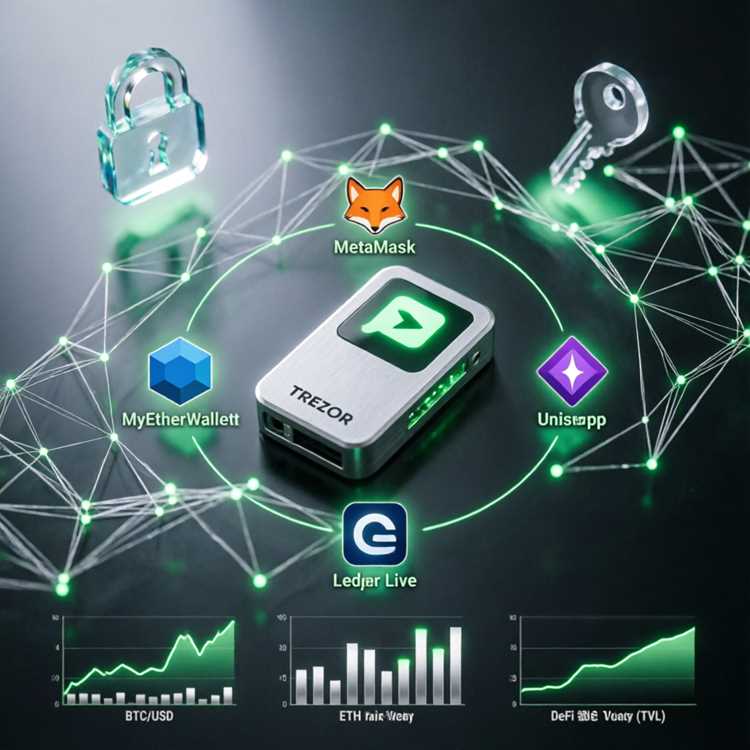
Trezor DeFi integration allows you to interact with decentralized exchanges, lending platforms, and yield farms. MetaMask is the most common gateway. You can also use MyEtherWallet or Portis. However, not all DeFi protocols work with hardware wallets.
DeFi Platforms Compatible with Trezor
Uniswap, Curve, and Compound work well. You can swap tokens, provide liquidity, and borrow assets. Trezor signs each transaction on the device. Always verify the transaction details on the screen. Avoid blind signing unless you trust the dApp. For a list of compatible platforms, see the Trezor community forums.
Security Considerations for DeFi Use
Using DeFi with a hardware wallet is safer than using a hot wallet. But it is not risk free. Smart contract bugs can drain funds. Always use a separate wallet for small amounts. Consider using a Trezor passphrase for extra protection. This adds a 25th word to your seed.
Comparing Trezor Compatibility Across Wallets
Different wallets offer different levels of Trezor compatibility. MetaMask focuses on Ethereum and EVM chains. Exodus covers many blockchains. Electrum is for Bitcoin only. The table below shows the key differences.
| Wallet | Primary Use | Supported Chains | DeFi Access |
|---|---|---|---|
| MetaMask | Ethereum and ERC-20 tokens | Ethereum, BSC, Polygon, Avalanche | Yes |
| Exodus | Multi-asset management | Bitcoin, Ethereum, Litecoin, XRP, others | Limited (swap only) |
| Electrum | Bitcoin only | Bitcoin | No |
| MyEtherWallet | Ethereum and tokens | Ethereum, Ethereum Classic | Yes |
MetaMask vs Exodus vs Others
MetaMask offers the widest DeFi support. Exodus is easier for beginners. Electrum is best for Bitcoin purists. Choose based on your needs. For a broader comparison, read the Trezor Amazon buying guide.
Trezor Compatibility with Other Popular Wallets
Beyond MetaMask and Exodus, Trezor works with several other wallets. MyEtherWallet, Mist, and MyCrypto support Ethereum. Electrum supports Bitcoin. You can also use the Trezor Suite for native management. Each wallet has its own setup process.
Electrum, MyEtherWallet, and More
For Bitcoin, Electrum is a trusted choice. Download Electrum and select “Use a hardware device.” Choose Trezor and follow the prompts. For Ethereum, MyEtherWallet is simple. Open the site, click “Hardware,” and connect. These wallets give you full control over your coins.
Mobile Wallet Compatibility
Trezor does not support direct mobile connections. You can use Trezor Android via a USB OTG cable. Supported apps include Mycelium and Coinomi. Mobile use is less common but possible. For daily use, a desktop wallet is more reliable.
How to Verify Trezor Compatibility Before Buying
Not all coins and tokens are supported. Check the official Trezor list before purchasing. Use Trezor Suite to see which assets are available. You can also use third-party explorers. Always buy from an authorized reseller to avoid tampered devices.
Checking Supported Coins and Tokens
Visit the Trezor website and navigate to the supported coins page. Look for Bitcoin, Ethereum, ERC-20 tokens, and others. Over 1000 assets are supported. For a detailed list, see Trezor ERC-20 tokens. This page is updated regularly.
Using Trezor Suite for Setup
Trezor Suite is the official app. It shows your balance, transaction history, and supported assets. It also handles firmware updates. Always use the latest version. Old versions may break compatibility with newer wallets.
Common Mistakes When Using Trezor with Third-Party Wallets
Many users make avoidable errors. One common mistake is forgetting to install Trezor Bridge. Another is using an outdated firmware. These issues can block the connection. Learn from others by reading about Trezor user errors.
Avoid These Trezor User Errors
- Do not disconnect the device while signing a transaction. Wait for the prompt.
- Use the correct USB cable. A data-only cable may not work.
- Keep your recovery seed offline. Do not save it on your computer.
- Always verify addresses on the Trezor screen. Malware can change the display in your browser.
Passphrase Setup Tips
A passphrase adds a layer of security. Use it for sensitive accounts. Write it down separately from your seed. Without the passphrase, your funds are inaccessible. For guidance, see the Trezor passphrase guide.
Long-Term Storage Solutions with Trezor
For assets you plan to hold for years, Trezor is ideal. It keeps your keys offline. Use a separate wallet for daily transactions. This is called cold storage. For more details, read about Trezor long-term storage.
Cold Storage vs Hot Wallets
Cold storage means the device is never connected to the internet. Hot wallets are always online. Trezor is a cold wallet, but you can connect it temporarily. For long-term use, disconnect it after each transaction. This reduces risk.
Best Practices for Security
Store your seed phrase in a fireproof safe. Use a metal plate for durability. Enable the passphrase feature. Update firmware regularly. These steps ensure your funds remain safe. For a full overview, check hardware wallet security.
Frequently Asked Questions About Trezor Wallet Compatibility
Is Trezor compatible with MetaMask?
Yes. Trezor works with MetaMask for Ethereum and ERC-20 tokens. You need Trezor Bridge and the latest firmware.
Can I use Trezor with Exodus on mobile?
No. Exodus mobile does not support hardware wallets. Use the desktop version instead.
Does Trezor support DeFi platforms?
Yes, through MetaMask or MyEtherWallet. Supported platforms include Uniswap, Compound, and Curve.
What wallets are best for Trezor?
MetaMask for DeFi, Exodus for multi-asset, and Electrum for Bitcoin. Each has different strengths.
How do I check if my token is supported?
Use Trezor Suite or the official list. Most ERC-20 tokens are supported. For a full list, see Trezor ERC-20 tokens.