Using Trezor Wallet with Mobile: Trezor Suite App Review & Guide
Read our Trezor Suite App review for iOS and Android. Learn the benefits of using Trezor hardware wallet with mobile for secure crypto management. Get started today.
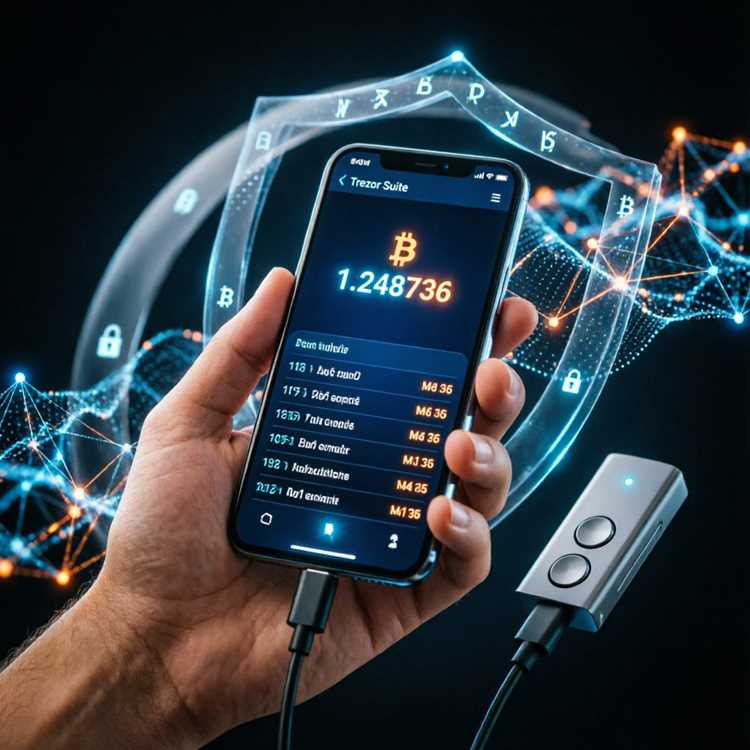
Managing Crypto on the Go: How Does Trezor Suite Perform on Mobile?
Using Trezor Wallet with mobile devices: Trezor Suite App Review is a topic many crypto users want to understand. People need to check balances and approve transactions away from their desks. Does the mobile app offer the same security as the desktop version? This review looks at the real performance, features, and limits of the app.
Mobile management of digital assets requires a different approach. Touching a screen is not the same as clicking a mouse. However, many users expect full control from their phones. We tested the Trezor mobile app on both iOS and Android. This review covers setup, daily use, and security trade-offs.
Why You Should Consider the Trezor Mobile App for Daily Management
Using Trezor Wallet with mobile devices: Trezor Suite App Review starts with understanding why you need it. You may want to check your portfolio during a commute. You might need to send funds while traveling. The Trezor mobile app connects your hardware wallet to your phone.
This setup gives you portability without sacrificing cold storage security. Private keys stay on the device. The phone only shows balances and signs transactions. Many users find this balance between access and safety attractive. It is also helpful for quick price checks.
Key Benefits of a Mobile Hardware Wallet Setup
Portability is the main advantage here. Carrying a laptop everywhere is not practical. A phone fits in your pocket. Pairing it with a Trezor device keeps your crypto safe.
Real time monitoring becomes simple. You see incoming transactions immediately. Price alerts work without opening a desktop.
Transaction approvals happen faster. Confirm payments by connecting your Trezor via Bluetooth or USB. This process removes the need for a computer.
Who Benefits Most from Mobile Wallet Access
Frequent travelers gain the most from this setup. You can manage assets on the road without carrying a laptop.
Active traders also find value here. Quick moves on exchange rates require instant access.
New users appreciate the simpler interface. The mobile version of Trezor Suite removes some complex options, making it easier to learn.
Trezor Suite App: Installation and Initial Setup on iOS and Android
Setting up the Trezor mobile app is straightforward. Download it from the Apple App Store or Google Play Store. Make sure your phone has Bluetooth 4.0 or newer. Some models require a USB adapter.
Using Trezor Wallet with mobile devices: Trezor Suite App Review requires checking compatibility first. Trezor Model T works with USB connection on Android. Trezor Model One needs the OTG cable. The Trezor Safe 3 and Safe 5 support Bluetooth on both platforms.
- Install the Trezor Suite app from the official store.
- Turn on Bluetooth on your phone and Trezor device.
- Open the app and select 'Connect your Trezor'.
- Follow the pairing instructions shown on both screens.
- Verify the pairing code matches on the device and phone.
- Name your device for easy recognition later.
Pairing Trezor with Android Devices
Android users have more connection options. You can use Bluetooth or USB. USB connection is more stable for large transactions.
Bluetooth pairing works well for checking balances. USB connection is better for sending funds. Choose based on your current need.
Pairing Trezor with iOS Devices
Apple devices only support Bluetooth connection. This limitation is due to Apple's hardware restrictions. However, Bluetooth works reliably for most tasks.
Make sure your iPhone runs iOS 15 or newer. Older versions may not support the app fully. Check the app store for specific device requirements.
Core Features Available in the Trezor Mobile Wallet App
The mobile app includes many features from the desktop version. You can manage multiple cryptocurrency accounts. Check balances for Bitcoin, Ethereum, and altcoins. Send and receive funds with QR code scans.
Using Trezor Wallet with mobile devices: Trezor Suite App Review shows that portfolio tracking is a key feature. The app shows total value in your chosen fiat currency. You can hide small balances for a cleaner view.
- Account management: Create, rename, or hide accounts easily.
- Transaction history: View all past transactions with details.
- Exchange integration: Buy crypto directly within the app.
- Price charts: Check basic price trends for supported coins.
- Address verification: Confirm receiving addresses on the device screen.
Sending and Receiving Crypto on Mobile
Receiving funds is simple. Open the app, select your account, and show the QR code. Scan or copy the address. The device verifies each address before accepting funds.
Sending requires confirmation on the hardware wallet. Enter the amount and recipient address on your phone. Review the details on the Trezor screen. Confirm the transaction by pressing the button.
Portfolio Tracking and Balance Checking
The app updates balances in real time. It supports multiple fiat currencies for valuation. You can hide zero balance accounts for better clarity.
Price changes are shown with percentages. This feature helps you monitor market movements without leaving the app.
Security Considerations When Using Trezor on a Mobile Device
Mobile security is different from desktop security. Phones have different attack vectors. Malware on Android is more common than on iOS. Bluetooth connections can be intercepted if not paired correctly.
Using Trezor Wallet with mobile devices: Trezor Suite App Review must address these risks. Your private keys never leave the hardware wallet. The app only displays public data. However, your phone's screen can be observed by others in public.
Bluetooth Security vs. USB Connections
Bluetooth is convenient but has lower bandwidth. Pairing is encrypted between the device and phone. USB offers a direct physical connection, which is harder to intercept.
For large transfers, USB is recommended. For daily checks, Bluetooth is fine. Choose based on your transaction value and trust in your environment.
Protecting Your Phone and App Access
Set a strong lock screen on your phone. Use biometric authentication when available. The app itself can be locked with a PIN or Face ID.
Download the app only from official stores. Avoid sideloading or using third party app sources. Keep your phone's operating system updated.
Comparing Trezor Mobile App with Desktop Experience
The desktop version offers more features. You can manage staking, use advanced tools, and see more detailed charts. The mobile app focuses on core functions.
Using Trezor Wallet with mobile devices: Trezor Suite App Review shows that mobile lacks some desktop features. You cannot update firmware from the phone. You cannot set up recovery seed phrases on mobile.
| Feature | Desktop App | Mobile App |
|---|---|---|
| Firmware updates | Supported | Not supported |
| Seed setup | Supported | Not supported |
| Transaction history | Full details | Basic details |
| Exchange integration | Supported | Supported |
| Staking access | Supported | Limited via web link |
| Portfolio charts | Advanced | Basic |
| Bluetooth pairing | Not available | Supported |
What You Can Do on Desktop But Not on Mobile
Firmware updates require a computer. This is a security measure. The mobile app cannot modify the device's operating system.
Setting up a new device is also desktop only. You need a larger screen for seed phrase verification. This process ensures accuracy and security.
When the Mobile App is the Better Choice
Daily balance checks are faster on mobile. Quick sends to known addresses take seconds. Receiving funds with a QR code is convenient in person.
For most routine tasks, the mobile app works well. Keep the desktop version for major changes or security tasks.
Supported Cryptocurrencies and Network Compatibility on Mobile
The mobile app supports many cryptocurrencies. Bitcoin, Ethereum, Litecoin, and Bitcoin Cash are included. ERC 20 tokens and BEP 20 tokens are supported.
Using Trezor Wallet with mobile devices: Trezor Suite App Review shows that coin support mirrors the desktop version. New coins are added through firmware updates. The app automatically shows all supported assets.
Full List of Supported Networks
- Bitcoin (BTC)
- Ethereum (ETH) and all ERC 20 tokens
- Binance Smart Chain (BNB and BEP 20 tokens)
- Litecoin (LTC)
- Bitcoin Cash (BCH)
- Polygon (MATIC)
- Solana (SOL)
- Ripple (XRP)
- Cardano (ADA)
- Tezos (XTZ)
Network Fees and Transaction Speeds on Mobile
Fees are shown before you confirm a transaction. The app suggests fee levels based on network traffic. You can choose between economy and priority speeds.
Transaction times depend on the network, not the app. Bitcoin transactions take longer than Solana ones. The app displays estimated confirmation times.
Common Issues with the Trezor Mobile App and How to Fix Them
Some users experience connection problems. Bluetooth pairing can fail if other devices interfere. USB connections may not work with certain phone cases.
Using Trezor Wallet with mobile devices: Trezor Suite App Review includes troubleshooting tips. Most issues have simple solutions. Restarting the app or device often resolves temporary glitches.
Connection Drops and Reconnecting
If Bluetooth disconnects, move the phone closer to the Trezor device. Remove any metal objects between them. Restart Bluetooth on your phone.
For USB issues, check the cable. Some OTG cables do not support data transfer properly. Try a different cable from the official Trezor store.
App Crashes and Performance Problems
Close all background apps to free up memory. Update the app to the latest version. Clear the app cache from phone settings.
If crashes continue, uninstall and reinstall the app. Make sure your phone firmware is updated. Check the Trezor help center for known issues.
Is the Trezor Mobile App Suitable for New Crypto Users?
New users may find the mobile app less intimidating. The interface is simpler than the desktop version. Fewer options reduce confusion.
Using Trezor Wallet with mobile devices: Trezor Suite App Review for beginners shows mixed results. Setup is easy with Bluetooth pairing. However, recovery phrase entry is not available on mobile.
Learning Curve for First Time Users
First time users should watch the official setup video. Read the manual included in the box. Start with small amounts to learn the process.
The app guides you through each step. confirmations are clear and direct. Many beginners find the mobile app easier to learn than the desktop version.
Resources for Getting Started
Visit the Trezor ease of use guide for tips. Read the Trezor verdict 2024 for an overall assessment. Check the Trezor Amazon page for buying options.
Frequently Asked Questions About the Trezor Suite Mobile App
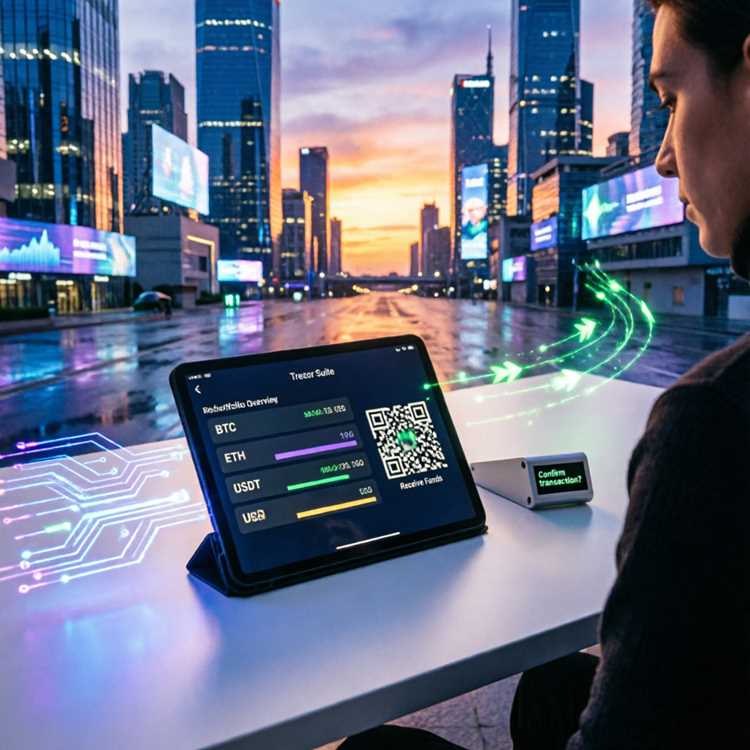
Can I update my Trezor firmware from the mobile app?
No. Firmware updates require a desktop computer. This is a security protocol to prevent unauthorized changes. Use the desktop Trezor Suite app for updates.
Does the mobile app support all Trezor models?
Yes. Trezor Model One, Model T, Safe 3, and Safe 5 all work with the app. Connection methods vary by model. Check the Trezor model comparison for details.
Can I use Shamir backup through the mobile app?
No. Shamir backup setup requires the desktop app. You can manage accounts that use Shamir backup on mobile. Read about Shamir seed backup for more information.
Is my seed phrase stored on the phone?
No. Your seed phrase never leaves the hardware wallet. The app cannot access your private keys. This is the core security feature of all Trezor devices.
Can I stake crypto from the mobile app?
You can access staking through the app, but setup requires a desktop. The app links to the staking interface. Learn more about Trezor staking for supported networks.
How do I update the mobile app itself?
Update through your phone's app store. Enable automatic updates in app settings. New versions often fix bugs and add coin support.