Trezor Model One vs Safe 3 vs Safe 5: Which Model to Buy?
Trezor Model One vs Safe 3 vs Safe 5: Which Model Should You Buy? Compare features, security, and price to find the best crypto hardware wallet. Read our guide.
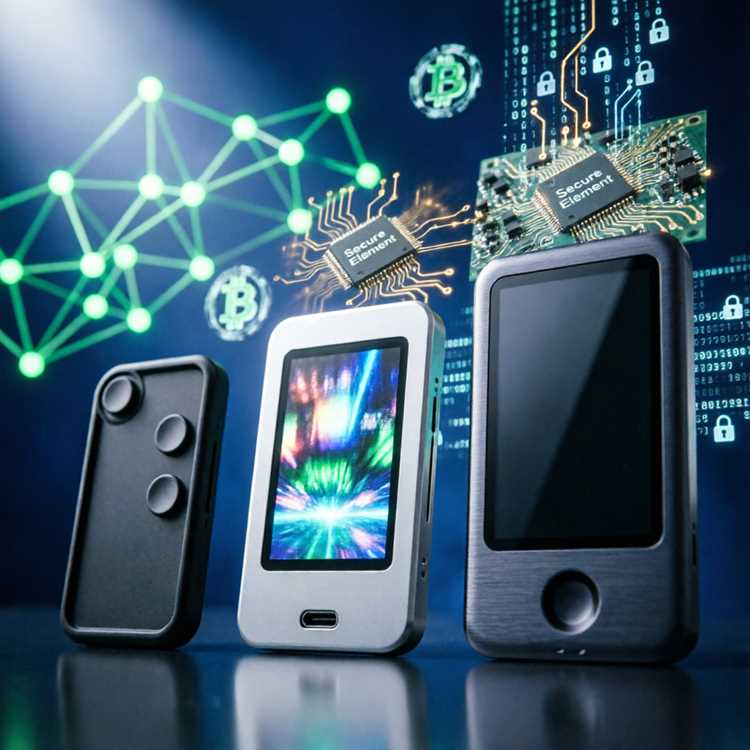
Choosing the right hardware wallet can feel like a big decision. You want to store your crypto safely without overpaying for features you never use. This detailed Trezor Model One vs Safe 3 vs Safe 5: Which Model to Buy? comparison breaks down every difference. We look at price, security, design, and usability. By the end, you will know exactly which device fits your needs. Investors often start with a basic model and later upgrade. Understanding these three options prevents costly mistakes. Each wallet uses the same core software through the trezor app.
What Makes Each Trezor Model Different?
Each Trezor wallet serves a different type of user. The Model One is the entry level device. It offers cold storage at a low price. The Safe 3 adds a secure element chip for better protection. The Safe 5 brings a color touchscreen and faster processor. Many people assume all hardware wallets are the same. Actually, the build quality and hardware specs vary widely.
Design and Build Quality Comparison
Trezor Model One uses a plastic case with two buttons. It is small and lightweight. Trezor Safe 3 also uses plastic but feels more solid. It has a larger button layout. Trezor Safe 5 uses a metal reinforced body. All three are portable enough for daily use.
Screen and Display Differences
Model One has a small black and white OLED screen. Safe 3 improves this with a larger monochrome display. Safe 5 features a full color touchscreen. Viewing transaction details is easiest on the Safe 5. Confirming addresses on a small screen can be tedious.
Processor and Performance
Model One runs on an older ARM processor. Safe 3 uses a newer chip with hardware acceleration. Safe 5 has the fastest processor in the lineup. Signing transactions takes longer on the Model One. For frequent traders, the extra speed matters.
Security Features Across All Three Models
All Trezor wallets keep your private keys offline. They share the same open source firmware. However, the physical security differs. Model One relies on its software alone. Safe 3 and Safe 5 include a certified secure element. This chip protects against physical attacks.
Secure Element vs Standard Chip
Model One uses a standard microcontroller. Safe 3 and Safe 5 use the same Secure Element as high end payment terminals. This chip stores your seed phrase in a separate memory area. It resists side channel attacks. For most users, the standard chip is enough. But extra protection gives peace of mind.
Backup and Recovery Options
All models support a 12 or 24 word seed phrase. Safe 3 and Safe 5 support Shamir Backup. This splits your seed into multiple shares. You can store shares in different locations. Model One does not support this feature. Using advanced Trezor security requires a newer model.
Firmware and Software Security
All models run the same open source firmware. This means regular updates and audits. The Trezor security features include passphrase support and U2F authentication. Every model supports these core protections.
Supported Coins and Cryptocurrencies
Each Trezor model supports over 8000 different assets. This includes Bitcoin, Ethereum, and all major altcoins. However, the user experience varies. Model One handles most coins without issue. Safe 3 and Safe 5 manage larger portfolios more smoothly.
Bitcoin and Bitcoin Based Assets
Bitcoin support is identical across all models. Each wallet creates native SegWit addresses. You can store Ordinals and RUNES on any model. The Safe 5 screen shows inscriptions better.
Ethereum and ERC 20 Tokens
All models support Ethereum and all ERC 20 tokens. Safe 3 and Safe 5 handle high gas fee transactions faster. Model One can still send and receive. But the interface feels slower.
Altcoin and Memecoin Support
Model One supports major altcoins like Litecoin and Dogecoin. Safe 3 and Safe 5 add support for new chains faster. Trezor regularly updates the firmware. All models will handle future tokens.
Price and Value for Money
Price differences between the models are clear. Model One costs around 59 Euro. Safe 3 costs about 79 Euro. Safe 5 costs around 149 Euro. The right choice depends on your budget. Spending more does not always mean better security.
Initial Purchase Cost
Model One is the cheapest option. Safe 3 offers a moderate price increase. Safe 5 is the most expensive. Check the Trezor wallet price for current deals.
Long Term Cost of Ownership
All models come with a warranty and free firmware updates. No subscription is required. The only long term cost is the initial purchase. Buying a cheaper model then upgrading later costs more.
Value Based on Security Needs
For small portfolios under 1000 Euro, Model One is enough. For portfolios over 10000 Euro, the secure element is worth it. Safe 5 adds value for users who do many transactions.
Ease of Setup and User Experience
Setting up any Trezor takes about 10 minutes. The process is the same for all models. You download the Trezor Suite app. Then you connect the device and create a wallet. Beginners find the Model One simple. Advanced users prefer the larger screens.
Step by Step Setup Process
- Unbox your Trezor device and connect it via USB cable.
- Visit trezor.io/start and download Trezor Suite.
- Install the app and create a new wallet.
- Write down your 12 or 24 word recovery seed.
- Set a PIN code on the device screen.
- Confirm the seed by entering random words.
- Your wallet is ready to receive coins.
Daily Use and Navigation
Model One uses two buttons to navigate menus. Safe 3 uses larger buttons with better feedback. Safe 5 uses a touchscreen similar to a smartphone. Sending transactions is fastest on the Safe 5. Confirming addresses is easiest with the color screen.
Mobile Experience
All models work with the Trezor Suite mobile app. You need a USB OTG adapter for Android phones. iPhone users need a special cable. The mobile experience is the same across models.
Portfolio Management and Storage Capacity
Each model stores an unlimited number of accounts. You can have multiple wallets on one device. The device does not store coins directly. It holds the keys to your blockchain addresses. This means you never run out of space for new tokens.
Managing Multiple Cryptocurrencies
All models handle Bitcoin, Ethereum, and altcoins in one interface. You can create separate accounts for each asset. The Trezor Suite organizes everything clearly. Switching between coins is easy on any model.
Account Organization Features
Safe 3 and Safe 5 support hidden wallets and passphrases. These features add extra privacy. Model One supports passphrases but without the secure element. Organizing your portfolio is intuitive across all models. The hardware wallet review 2024 notes this consistency.
Comparison Table: Key Specs at a Glance
| Feature | Trezor Model One | Trezor Safe 3 | Trezor Safe 5 |
|---|---|---|---|
| Display | 128x64 OLED | 128x64 OLED | 240x240 Color Touch |
| Secure Element | No | Yes (EAL6+) | Yes (EAL6+) |
| Processor Speed | 120 MHz | 200 MHz | 400 MHz |
| Connection | USB C | USB C | USB C |
| Price (MSRP) | 59 EUR | 79 EUR | 149 EUR |
| Shamir Backup | No | Yes | Yes |
| Touchscreen | No | No | Yes |
| Mobile Compatible | Yes (adapter) | Yes (adapter) | Yes (adapter) |
| Warranty | 2 years | 2 years | 2 years |
Accessories and Compatibility
All three models use standard USB C cables. Trezor sells official accessories. These include protective cases, lanyards, and mobile adapters. Using official accessories keeps your warranty valid.
Official Accessories List
- USB C to Lightning cable for iPhone users.
- USB OTG adapter for Android phones.
- Silicone protective case for Safe 5.
- Lanyard strap for portable use.
- Hard shell traveling case.
Compatible Software and Services
Trezor Suite works on Windows, Mac, Linux, and mobile. Third party wallets like MetaMask and Electrum also support all models. This makes the Trezor model comparison easy for software compatibility. Any wallet that supports Trezor works with all three devices.
Customer Support and Warranty
Trezor provides support through email and a knowledge base. All models include a two year warranty. The Trezor customer support team handles hardware issues. Replacement depends on the warranty status.
Warranty Coverage Details
Warranty covers manufacturing defects. Damage from water or drops is not covered. Safe 5 has a more robust build. This means fewer physical failures. Model One cases can crack if dropped.
Where to Buy Authorized Devices
Always buy directly from Trezor or authorized resellers. Avoid third party marketplaces. Buying from Trezor Amazon is safe if the seller is official. Counterfeit devices can steal your funds.
Final Verdict: Which Model Should You Buy?
Choosing the right model depends on your portfolio and usage. For small budgets, Model One is a perfect start. For extra physical security, choose Safe 3. For the best experience with frequent transactions, pick Safe 5. The Trezor final review recommends Safe 3 as the best value. You get the secure element without the color screen price. No matter which model you choose, any Trezor is better than a software wallet. Your crypto stays offline and safe.
Frequently Asked Questions
Can I use the same seed phrase on different Trezor models? Yes. Your 12 or 24 word seed works on any Trezor device. You can upgrade models without losing access.
Does the Safe 5 support all the same coins as the Model One? Yes. All models support over 8000 assets. Firmware updates keep support consistent across devices.
Is the secure element in Safe 3 and Safe 5 really necessary? It adds protection against physical attacks. For small portfolios, the standard chip is fine. For large amounts, the extra cost is worth it.
Which model is best for beginners? Model One is the most affordable and simple. Safe 5 offers the easiest setup with its touchscreen.
How long does the battery last? None of these models have batteries. They draw power from your computer or phone via USB cable.
Can I use a Trezor without internet? The device must be connected to a computer or phone. But the private keys never go online. The device signs transactions offline.