Trezor Wallet Review: Secure Your Crypto in 2025
Read our honest Trezor wallet review. Discover top hardware wallet security, key features, and why it’s the best buy for crypto protection. Get yours now!

Finding a reliable way to store digital assets feels harder each year. This Trezor Wallet Review: Secure Your Crypto in 2025 examines the hardware wallets from SatoshiLabs. We look at their safety features, ease of use, and long-term value. By the end, you will know if a Trezor device fits your needs.
Hackers and scams threaten crypto holders daily. A cold wallet offers a different approach. It keeps your private keys offline. This Trezor Wallet Review: Secure Your Crypto in 2025 helps you decide which model works best. We compare the Safe 3, Model One, and Model T. Our focus stays on real-world security and simple operation.
Why Choose a Hardware Wallet Over Software Options?
Software wallets connect to the internet constantly. This gives attackers many ways to steal your funds. Hardware wallets store keys on a separate chip. They never expose your seed phrase to the web. For long-term storage, a cold device adds a strong layer of protection. Many users switch after losing money to an exchange hack or a phishing site.
The Risk of Online Storage
Keeping coins on an exchange means trusting a third party. Exchanges get hacked. Accounts get frozen. Software wallets on your phone or computer face malware risks. A single wrong click can drain your wallet. Hardware wallets reduce these dangers by signing transactions offline.
What Makes Cold Storage Different
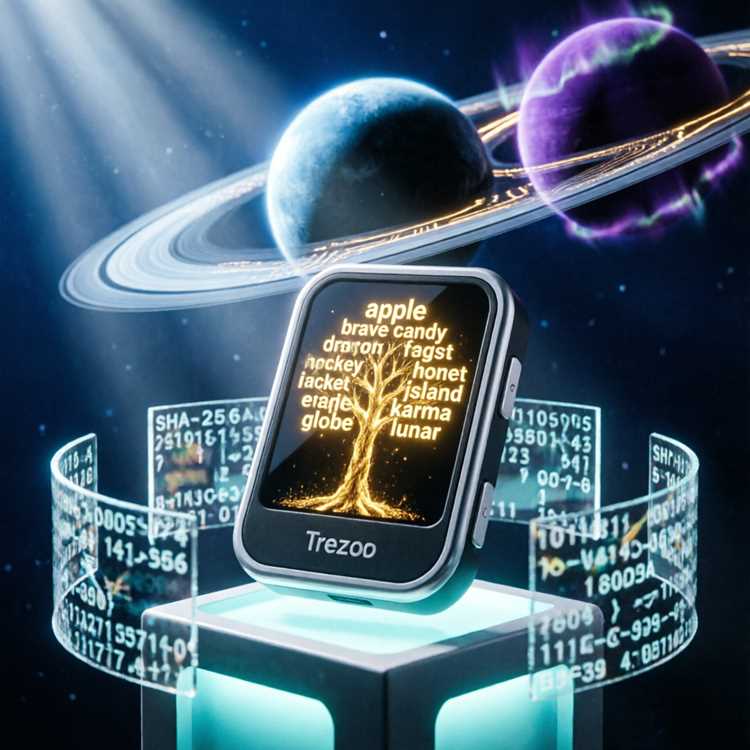
Cold storage refers to devices not connected to the internet. Your private keys never touch a network. You approve each transaction by pressing a physical button. This stops remote attackers from moving your funds. For crypto holdings above a small amount, this becomes a smart choice.
Comparing Security Levels
- Hot wallets: convenient but risky for large sums
- Exchange accounts: not your keys, not your coins
- Hardware wallets: high security with moderate effort
- Paper wallets: very secure but easy to lose or damage
What Models Does Trezor Offer in 2025?
Trezor keeps a small but focused product line. Each model targets a different user need. The main options are the Model One, the Model T, and the newer Safe 3. You can also explore the Trezor Safe 3 for the latest entry-level hardware.
Trezor Model One
This is the original design. It uses two buttons for navigation. The screen is small but clear. It supports over 1000 coins and tokens. Prices start around 59 USD. It works well for beginners who want a basic cold wallet.
Trezor Model T
The Model T adds a color touchscreen. It supports more coins, including some privacy tokens. You can enter your PIN directly on the screen. The Trezor Model T costs about 219 USD. It offers a faster user experience for frequent traders.
Trezor Safe 3
This newer model replaces the Model One for many users. It has a secure element chip. This provides stronger protection against physical attacks. The Safe 3 supports the same coins as the Model T. Its price sits around 79 USD. This makes it a solid middle option.
How Does the Setup Process Work?
Setting up a Trezor device takes about 15 minutes. You need access to a computer or smartphone. The process works the same for all current models. Follow these steps for a clean start.
- Unbox the device and connect it via USB cable.
- Go to the official Trezor website and download Trezor Suite.
- Install the software and launch it on your computer.
- Click "Setup device" and confirm on the hardware screen.
- Write down the 12 or 20 word seed phrase. Never type it online.
- Set a PIN code for daily access.
- Create a passphrase for extra protection if desired.
- Label your device and start transferring coins.
Choosing Your Seed Phrase Storage
The seed phrase is the master key to your wallet. Lose it and you lose access forever. Write it on paper or metal. Keep it in a fireproof safe. Never take a photo of it. Never store it in a cloud service. Multiple copies in different locations add safety.
Using Trezor Suite for Daily Management
Trezor Suite is the desktop and web app. It handles sending, receiving, and portfolio tracking. You can also buy crypto directly through the app. The interface shows your transaction history clearly. Updates come out regularly to fix bugs and add features.
What Security Features Protect Your Assets?
Trezor devices use several layers of defense. The core idea is keeping private keys separate from the internet. Each model adds specific hardware protections. Understanding these features helps you judge the overall safety of your crypto.
Secure Element Chip in Newer Models
The Trezor Safe 3 includes a certified secure element. This chip resists physical tampering. It protects the PIN and passphrase even if someone steals the device. Older models like the Model One lack this chip. For high value holdings, the secure element adds peace of mind.
PIN Code and Passphrase Protection
Your PIN unlocks the device for daily use. You enter it directly on the Trezor screen. A passphrase is an extra word you add to the seed. It creates a hidden wallet. Even someone with your seed cannot access this wallet without the passphrase. Use a passphrase for large sums.
Open Source Code for Transparency
Trezor makes its firmware and software open source. Anyone can review the code for flaws. Security researchers regularly audit the system. This transparency builds trust. You can verify that the device works as promised. If the Trezor help center can guide you through any security concerns.
Which Cryptocurrencies Does Trezor Support?
Support varies by model. In general, Trezor covers most major coins and many altcoins. The list grows over time through firmware updates. Checking the official site gives you the exact current list. For specific token types, read about Trezor ERC-20 tokens for Ethereum based assets.
| Asset Type | Model One | Model T | Safe 3 |
|---|---|---|---|
| Bitcoin (BTC) | Yes | Yes | Yes |
| Ethereum (ETH) | Yes | Yes | Yes |
| ERC-20 Tokens | Limited | Full | Full |
| Litecoin (LTC) | Yes | Yes | Yes |
| Monero (XMR) | No | Yes | Yes |
| Solana (SOL) | No | Yes | Yes |
Bitcoin as the Primary Focus
Bitcoin remains the most supported coin. All models handle BTC transactions smoothly. The hardware signs each transaction securely. You can use SegWit addresses to save on fees. Trezor offline storage works best for long-term bitcoin holding.
Expanding Support for Altcoins
Ethereum and ERC-20 tokens have strong support on newer models. The Model T can manage over 1800 ERC-20 tokens. Solana integration came through a recent update. Monero support is exclusive to the Model T and Safe 3. Always check before buying a device for a specific coin.
Using Trezor With Third-Party Wallets
You can connect your Trezor to other wallets. MetaMask works with Trezor for Ethereum and DeFi. Trezor Exodus provides a sleek interface for managing multiple coins. Third-party tools expand functionality without sacrificing security.
How Does Trezor Compare to Its Main Rival?
Ledger is the biggest competitor in the hardware wallet space. Both companies offer similar core features. But some differences matter to users. The Trezor versus Ledger debate often comes down to personal preference and specific needs.
- Both devices keep private keys offline
- Trezor code is fully open source, Ledger is partially closed
- Ledger has a larger internal battery for Bluetooth models
- Trezor Model T uses a touchscreen, Ledger uses buttons
- Ledger costs slightly less for comparable features
- Trezor has a longer track record with no known hacks
Security Philosophy Differences
Trezor believes in complete transparency. Every part of the code is public. Ledger uses a closed source secure element. This makes independent audits harder. Both approaches have valid arguments. Trezors open model appeals to privacy focused users.
User Experience and Design
The Model T touchscreen makes navigation easier. You can browse your portfolio without a computer. Ledger requires the use of a companion app more often. Trezor Suite feels modern and works across platforms. For beginners, the Trezor interface offers a gentler learning curve.
What Are the Costs and Accessories?
Buying a Trezor wallet requires an upfront investment. Prices range from 59 to 219 USD. Accessories add optional protection and convenience. Below is a table with common items.
| Accessory | Price (USD) | Compatibility | Use Case |
|---|---|---|---|
| USB Cable (official) | $9 | All models | Connection to computer |
| Starter Pack | $99 | Model One + Safe 3 | Bundle for new users |
| Cryptosteel Capsule | $69 | Universal | Fireproof seed backup |
| Leather Case | $29 | Model T | Scratch protection |
| USB OTG Adapter | $12 | All models | Connection to phone |
Shipping and Import Fees
Trezor ships from the Czech Republic. Orders over 200 USD qualify for free international shipping. Smaller orders pay around 10 to 20 USD for delivery. Import duties apply in some countries. Check your local customs rules before ordering.
Long-Term Value Proposition
A hardware wallet is a one time purchase. It can last for years with proper care. Firmware updates keep the device compatible with new coins. Compared to exchange fees or lost funds from hacks, the cost is very low. For any serious crypto holder, the investment pays for itself quickly.
Can You Use Trezor on a Mobile Device?
Mobile support has grown over recent years. You can now manage your crypto on the go. But mobile use requires some extra steps. The connection happens through USB OTG or Bluetooth on compatible models. Trezor iOS works with the official app for iPhone users.
Setup and Pairing Process
Download the Trezor Suite Lite app from your app store. Connect the device using the appropriate cable. For the Safe 3, you need a USB OTG adapter. The app will guide you through the pairing. Enter your PIN on the device to unlock it. Transactions require physical confirmation on the hardware.
Limitations of Mobile Use
The mobile app has fewer features than the desktop version. You can send, receive, and check balances. Advanced features like coins settings or firmware updates require a computer. Mobile use is best for quick transactions. Do not rely on it for full portfolio management.
Third-Party Mobile Apps
Some mobile wallets support Trezor hardware. Exodus mobile lets you connect via USB. Mycelium also works with Trezor for Bitcoin. These apps provide different interfaces. Test them before trusting with large amounts. The official Trezor app remains the safest choice.
Frequently Asked Questions About Trezor Wallets
Is Trezor safe from hackers?
No hardware wallet is 100% safe from all threats. Trezor uses strong encryption and physical security. The risk is very low for normal users. Most hacks happen through user error, not device flaws. Protect your seed phrase and use a passphrase for extra safety.
Can I recover my wallet if I lose the device?
Yes. Your coins are tied to the seed phrase, not the device. Buy a new Trezor or use compatible software. Enter your seed phrase during setup. Your funds will appear again. Keep the seed phrase in a safe place.
Does Trezor support NFTs?
Trezor can store the private keys for wallets that hold NFTs. The device itself does not display images. You need a third-party wallet like MetaMask to view your collection. The hardware signs transactions to move NFTs securely.
What happens if Trezor goes out of business?
Your coins remain safe because the hardware is open source. You can recover your wallet using other software wallets that follow the same standard. The seed phrase is universal. You do not depend on Trezor company staying alive.
How often do firmware updates come out?
Updates release every few months. They add new coin support and fix bugs. You must update through Trezor Suite. Always verify you are on the official site before updating. Fake update sites try to steal your seed phrase.
Can I use Trezor without a computer at all?
Some operations work with only a smartphone. For initial setup and firmware updates, you need a computer. Daily transactions are possible from mobile. But the full experience requires a desktop or laptop occasionally.