Avoid Common Trezor Wallet Mistakes: Beginner Tips to Secure Your Crypto
Avoid common Trezor Wallet mistakes beginners make. Learn beginner tips and common errors to safeguard your crypto. Get your purchase guide today.
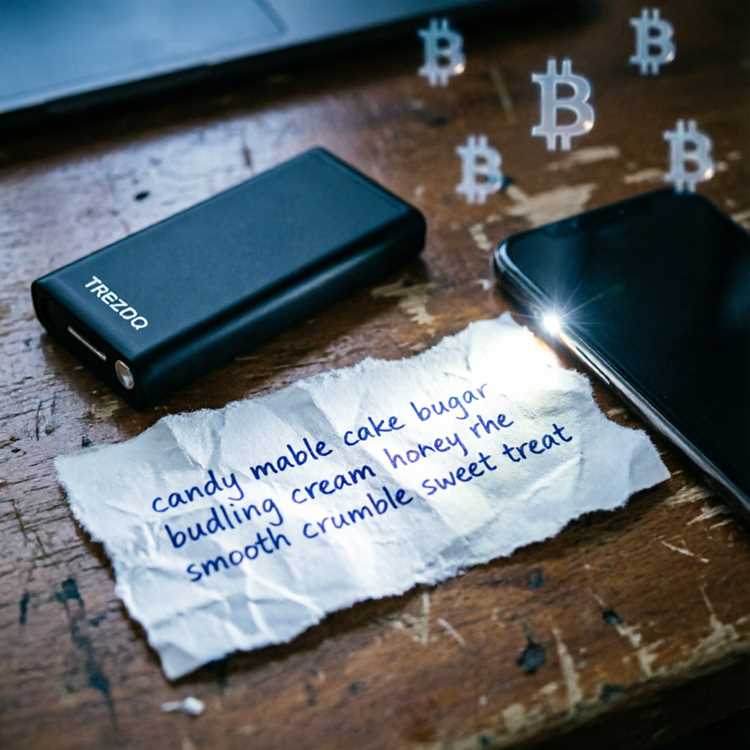
Why Beginners Often Struggle With Hardware Wallets
Starting with a cold storage device feels simple. Many people assume it works like a hot wallet. In reality, hardware wallets require a new set of habits. Without proper guidance, even small errors can lead to lost funds.
Understanding Common Trezor Wallet Mistakes Beginners Should Avoid helps new users protect their assets. This guide covers the biggest pitfalls and how to sidestep them. Learning from others saves time and money.
Hardware wallets store private keys offline. This design keeps crypto safe from online threats. However, the security depends on correct usage. One wrong click may expose your seed phrase.
Below we break down frequent errors. Each section offers actionable advice. Following these Trezor beginner tips will give you confidence.
What Happens When You Skip Seed Phrase Verification
Your seed phrase is the master key. Losing it means losing your coins permanently. Beginners often write it down once and never check it again.
Verifying the seed phrase during setup is a critical step. Skipping this leads to a false sense of security. A typo or misread word can block future access.
How to Test Your Seed Phrase Correctly
After initial setup, use the Trezor device to re-enter the phrase. This confirms you wrote it accurately. Do this before transferring any funds.
Why Paper Backup Alone Is Not Enough
Paper can burn, tear, or fade. Consider using a metal backup plate for long term storage. Store the copy in a fireproof safe or safety deposit box.
Common Seed Phrase Storage Mistakes
- Storing in a digital file or screenshot – hackers can find it
- Putting it inside a wallet case – thieves will grab both
- Sharing the phrase with anyone – even support staff should never ask
For detailed recovery instructions, see our guide on Trezor seed phrase restore.
Using a Fake or Phishing Website When Purchasing
Counterfeit devices appear on third party marketplaces. Buying from an unofficial source puts your funds at risk. Always purchase directly from the manufacturer or an authorized reseller.
Check the URL carefully. Scammers create sites like trez0r.com or trezor-wallet.org. Only use the official domain listed on the company’s social media pages.
How to Verify Your Device Is Genuine
- Check the holographic seal on the box – it must be intact
- Plug the device into a computer and run the authenticity check via Trezor Suite
- Compare the displayed model with the official specifications
What to Do If You Bought a Used Unit
Never trust a preowned hardware wallet. The seller could have installed malicious firmware. Always perform a factory reset and update the firmware before use.
Recommended Purchase Channels
Buy from the manufacturer’s store or from verified retailers like Amazon (sold by the official brand). Check our comparison of Trezor Safe 3 versus other models.
Neglecting Firmware Updates on Your Device
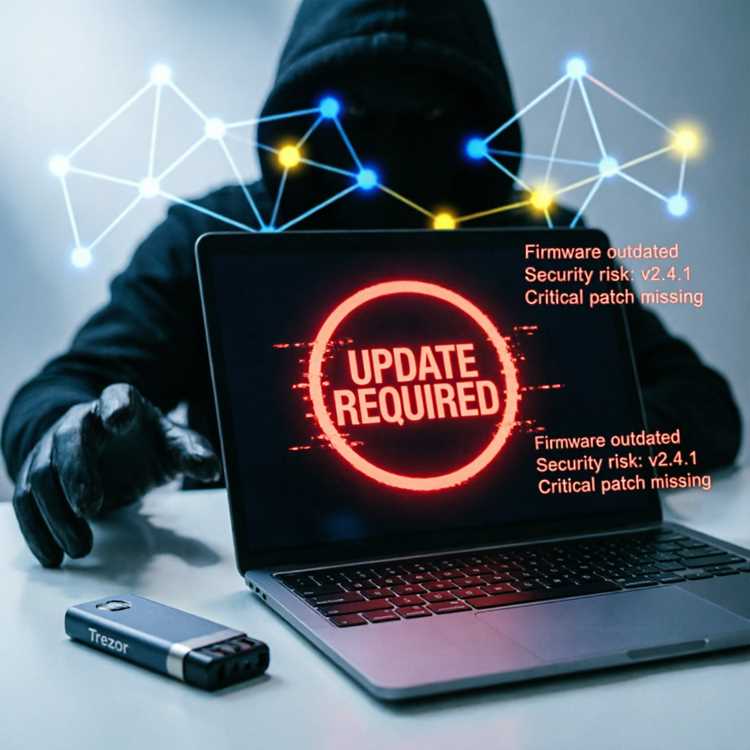
Outdated firmware contains known vulnerabilities. Hackers exploit these to steal coins. Beginners often ignore update notifications because they seem unimportant.
Updating the firmware is a simple process through Trezor app. The device will guide you step by step. Always back up your seed phrase before any update, even if the prompt says it is safe.
Why Updates Fix Security Holes
Each version patches bugs found by researchers. Delaying the update leaves your wallet exposed. Set a reminder to check for updates every three months.
What Happens If You Update Without a Backup
In rare cases the update may reset the device. Without your seed phrase, recovery becomes impossible. Always confirm your backup is accessible before proceeding.
For a detailed final review of the update process, read the Trezor final review.
Sending Coins to the Wrong Address Type
Bitcoin has multiple address formats: legacy, segwit, and native segwit. Sending to the wrong type can lose your funds. Beginners often copy an address from an exchange without checking the format.
Always verify that the receiving wallet supports the same address type. Trezor common errors include mixing up Bitcoin (BTC) and Bitcoin Cash (BCH) networks.
How to Avoid Address Confusion
- Use the receive function inside the Trezor suite – never type manually
- Double check the first few and last few characters of the address
- Send a small test transaction before moving large amounts
What to Do If You Sent to the Wrong Address
Recovery is usually impossible unless you own the private key of that address. Contact the recipient immediately if you know them. Otherwise, treat the funds as lost.
Network Fees and Address Compatibility
Using the wrong network also affects fees. For example, sending ERC20 tokens to a Bitcoin address will burn them. Always select the correct blockchain in the sending wallet.
Storing Your Device Together With the Seed Phrase
Keeping both the hardware wallet and the seed phrase in the same bag defeats security. If a thief steals the bag, they have full access to your funds.
Separate the two physically. Store the device in a drawer at home. Keep the seed phrase in a safe deposit box or a different location entirely.
Best Storage Practices for the Device
Place the Trezor in a fireproof safe or a hidden spot. Avoid extreme temperatures and humidity. Do not attach a label with the word “crypto” on it.
Best Storage Practices for the Seed Phrase
Write the 24 words on acid free paper. Use a steel plate for fire resistance. Store it in a bank vault or a friend’s house in another city.
Traveling With Your Hardware Wallet
When crossing borders, be aware that customs may ask to inspect electronics. Wipe the device before travel and restore it later with your seed phrase. Read about Trezor long-term storage for more tips.
Trusting Third Party Extensions and Phones
Plugging your Trezor into a public computer or a compromised phone exposes it to malware. Beginners sometimes use unofficial browser extensions to check balances.
Only use the official Trezor Suite software. For mobile access, see the Trezor mobile app guide. Never enter your seed phrase into a website or app.
Risks of Using Public USB Ports
Public charging stations can inject malware into connected devices. Use a data blocker cable if you must charge in public. Better yet, never connect your Trezor to an unknown port.
How to Verify You Are Using the Real Software
Download Trezor Suite only from the official website. Check the digital signature of the installer. Avoid links from emails or social media ads.
What About Mobile Phones as Wallets?

Mobile wallets are convenient but less secure for large sums. Use a hardware wallet for long term storage. Keep a small amount in a mobile wallet for daily spending.
Ignoring PIN Protection and Passphrase Usage
A weak PIN makes your device vulnerable to brute force attacks. Beginners often use simple numbers like 1234. The Trezor locks after several wrong attempts, but a determined thief can try again later.
Set a PIN with at least six digits. Avoid birth years, phone numbers, or repeating patterns. For extra security, enable the BIP39 passphrase feature.
How to Choose a Strong PIN
- Use a random combination of digits and letters if supported
- Write down the PIN separately from the device
- Change the PIN every year
What Is a BIP39 Passphrase?
This is an extra word added to your seed phrase. It creates a hidden wallet that even someone with your seed cannot access. Store the passphrase in a separate location.
Common Passphrase Mistakes
Using a simple word like “password” is unsafe. Also, forgetting the passphrase is equivalent to losing everything. Test it once before relying on it.
For pricing on devices that support passphrases, visit the Trezor wallet price page.
Not Testing Recovery Before Needing It
Many users only discover they wrote down the wrong seed phrase when an emergency hits. By then it is too late. Testing the recovery process is a must.
Perform a mock recovery in a safe environment. Wipe the device and restore from your backup. This verifies that your seed phrase is correct.
Step by Step Recovery Test
- Ensure you have the device and the seed phrase
- Open Trezor Suite and select “Recover wallet”
- Enter the seed words using the device’s screen
- Once restored, check that your balances appear correctly
- Repeat the process every six months
What If the Recovery Fails?
Check for misspelled words. Use the official list of BIP39 words to compare. If the phrase is wrong, your original backup might be corrupted. Always make two separate copies.
Why Recovery Testing Builds Confidence
Knowing you can restore your wallet removes anxiety. It also reveals any transcription errors early. This is one of the most valuable Trezor beginner tips you can follow.
Falling for Social Engineering Scams
Scammers pose as customer support agents. They ask for your seed phrase or request remote access to your computer. Beginners sometimes believe these calls because they sound official.
Real support teams never ask for your seed phrase. If someone contacts you unsolicited, hang up immediately. Report the number to the official support team.
Common Scam Tactics
- Fake phone calls claiming suspicious activity on your account
- Emails with links to “verify your wallet”
- Messages on Telegram or Discord offering free coins
How to Verify Support Contacts
Only use the contact form on the official website. Check the domain name before clicking. Bookmark the real support page to avoid typosquatting.
What to Do If You Gave Away Your Seed Phrase
Move your funds immediately to a new wallet with a fresh seed phrase. Consider the old wallet compromised forever. Act within minutes before the scammer drains it.
Using the Same Device for Multiple Cryptocurrencies Wrongly
Trezor supports many coins, but beginners sometimes send a token to an unsupported address. For example, sending XRP to a Bitcoin address will likely result in a loss.
Always check the supported coin list for your specific model. The trezor - trezor page details compatibility for each version.
How to Add New Coins to Your Wallet
Install the corresponding app inside Trezor Suite. Some coins require separate accounts. Follow the on screen prompts to generate a new receiving address.
What About ERC20 Tokens?
ERC20 tokens run on the Ethereum network. Send them to your Ethereum address within Trezor. Never send ERC20 tokens directly to a Bitcoin address.
Managing Multiple Accounts
Label each account clearly in the software. Use one account for long term savings and another for daily transactions. This reduces the chance of sending the wrong amount.
FAQ: Common Trezor Wallet Mistakes Beginners Should Avoid
What is the most common mistake new users make?
Losing the seed phrase or storing it with the device. Always keep them separate.
Can I recover my funds if I lose the device?
Yes, if you have the seed phrase. Use any compatible wallet to restore the keys.
How often should I update firmware?
Check every three months. Install updates as soon as they are released.
Is it safe to use a Trezor with a phone?
Only through official apps. Avoid third party wallets that ask for your seed.
What should I do if I suspect my device is fake?
Return it immediately. Buy from the official store or a trusted reseller.
Why does my Trezor show a different balance than an exchange?
Exchange balances include pending transactions or fees. The device shows only confirmed on chain amounts.
Understanding these Trezor user errors will keep your crypto safe. Review the Trezor final review for a complete overview of device performance.
| Accessory | Price (USD) | Compatibility | Use Case |
|---|---|---|---|
| Official USB Cable | $9 | All Trezor models | Replace lost or damaged cable |
| Steel Seed Backup Plate | $25–$40 | Any 24-word seed | Fire and water resistant storage |
| Hardware Wallet Case | $15 | Model T, Safe 3, One | Protect device during travel |
| USB Data Blocker | $10 | Universal | Prevent malware from public USB ports |
| Fireproof Safe (small) | $50 | Stores device or backup | Home storage for long term security |
By avoiding these Trezor common errors, you can enjoy the full security of your hardware wallet. Start with a small test transaction. Verify every step. Your future self will thank you.